
Your child has so much to say.
We help them be heard.
About Us
CAP Speech Therapy was established in 2013. For over a decade, we have been a trusted practice that provides private pediatric speech and language therapy for children in Fort Lauderdale and throughout South Florida and most recently, Hawaii. Therapy is delivered in your child’s home, school, daycare, or other natural environment setting.
Many of the children we work with understand far more than they can express. Parents often see the intelligence, curiosity, and personality inside their child, but communication barriers make it difficult for that to shine through. Our mission is to unlock those communication skills so your child can confidently express their thoughts, needs, and personality with the people around them.
At CAP Speech Therapy, we take a different approach from traditional clinics. Instead of focusing only on what happens during a therapy session, we focus on helping communication grow in the environments where children actually live, learn, and interact. Whether through virtual sessions or visits in your child’s natural environment, therapy is designed to support real life communication that carries over into everyday moments.
We believe meaningful progress happens when the important people in the child’s life are involved. By sharing practical strategies and hands on guidance, we empower the entire support system around your child so communication can continue developing throughout the day, not just during therapy.
The earlier we support communication development, the easier it is for children to build the skills they need to thrive socially, academically, and emotionally. Our goal is to help every child find their voice, build confidence, and experience the joy of being understood.
At CAP, our family mission is simple. Communication. Aspire. Play.
Florida Scholarship for Speech
Through the Unique Abilities Scholarship, many Florida families have access to state funded therapy at no cost. The program is not income based. Children over the age of three who attend a private daycare, preschool, or private school will qualify for funding.
CAP Speech Therapy is an approved provider for the scholarship. If you would like more information about the scholarship or help determining if your child qualifies, our team is happy to help. You can contact CAP Speech Therapy or schedule a free consultation and we will guide you through the process.
Latest News:
We are now an Aetna provider!
We are currently accepting patients in both Florida and Hawaii.
We are looking to hire an Occupational Therapist who specializes in sensory integration.
We are also actively hiring pediatric Speech-Language Pathologists for morning and afternoon hours.
Please call or text 786-571-5322 regarding more info on our open positions.
What We Do
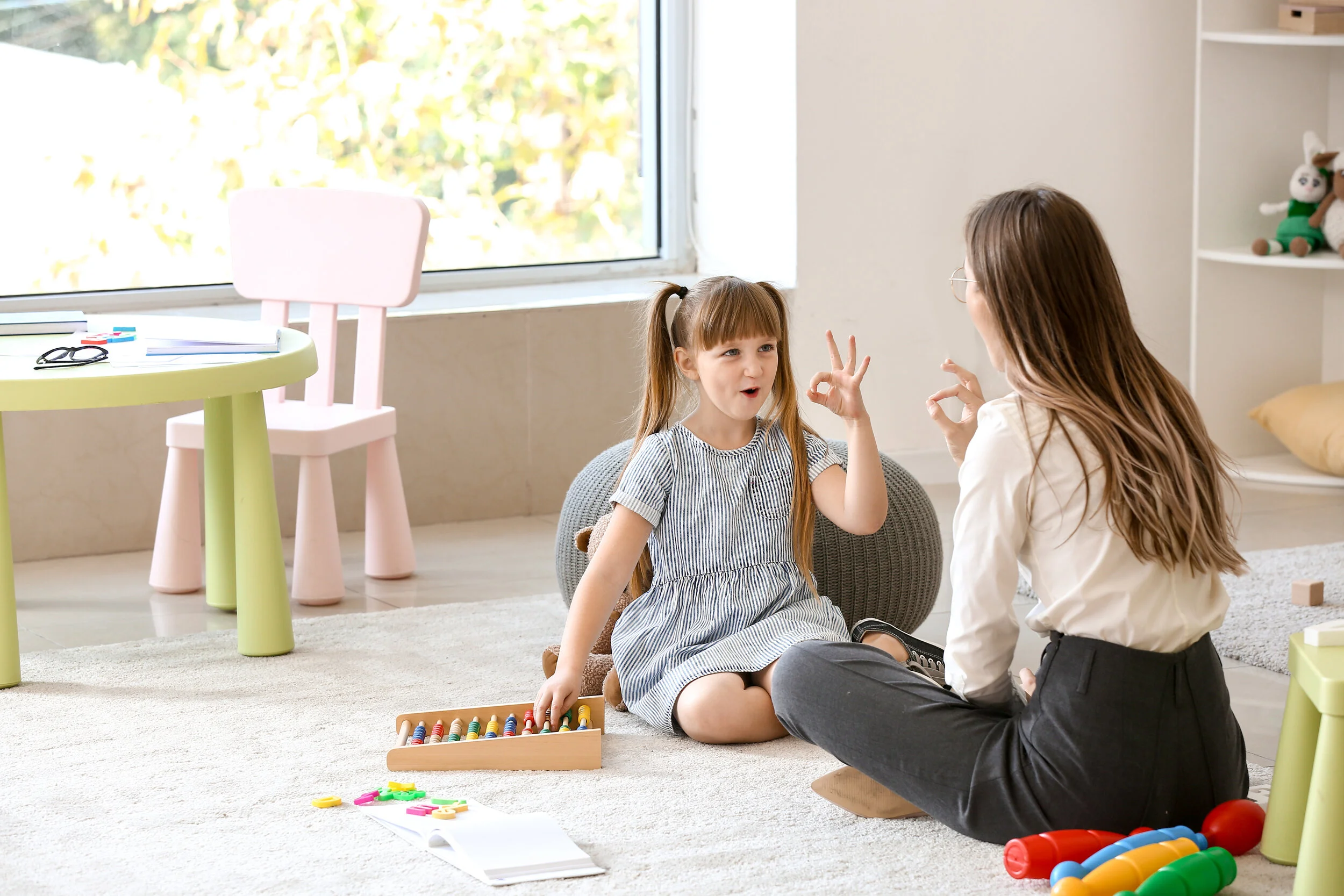
At CAP Speech Therapy, we help children unlock their ability to communicate confidently, clearly, and joyfully. Every child’s journey is unique, and our team of certified and licensed Speech-Language Pathologists are trained to assess and treat a wide range of communication challenges from delayed speech to complex language disorders. We provide:
Comprehensive consultations, screenings and evaluations: to understand your child’s strengths and needs.
Individualized therapy programs: designed for real-world progress.
Caregiver training and home exercise programs: so communication continues to grow beyond sessions.
White-Glove Concierge
For families seeking the highest level of discretion and personalized, concierge-style support. We work with families for whom privacy and excellence are paramount, including concierge and high-profile clients, ensuring every child receives care that is both discreet and extraordinary. Please email us at info@capspeech.com with subject “white-glove concierge” and request our dedicated client services line for discreet assistance.
Wondering if your child could benefit from speech therapy?
-
Language Disorders
Expressive language delays (difficulty using words, forming sentences)
Receptive language delays (difficulty understanding language)
Mixed receptive-expressive language disorders
Grammar and sentence structure challenges
Vocabulary development delays
Literacy & Reading Disorders
Early literacy delays (letter recognition, sound awareness)
Phonological awareness deficits
Segmenting and blending difficulties
Reading fluency challenges
Reading comprehension difficulties
Spelling and written expression challenges
Speech Sound Disorders
Articulation disorders (difficulty producing specific sounds like R, S, L, etc)
Phonological disorders (patterns of sound errors)
Childhood apraxia of speech (motor planning challenges)
Early Intervention
Late talkers
Limited verbal output
Play and interaction delays
Parent coaching for language development
Social Communication
Social (pragmatic) communication disorder
Neurodivergent communication styles (such as Gestalt Language Processors)
Difficulty with conversation skills, turn-taking, and perspective-taking
Fluency Disorders
Stuttering (repetitions, prolongations, blocks)
Cluttering (rapid or disorganized speech)
Executive Functioning & Related Skills
Attention and task completion challenges
Following directions and organization
Problem-solving and flexible thinking
Oral Motor and Feeding
Oral motor coordination for speech production
Strength, stability and control of the lips, tongue and jaw (ie: excessive drooling)
Support children with motor planning challenges
Feeding difficulties related to oral motor or sensory needs
Chewing, biting, and transitioning across food textures

We currently service the following locations:
Our therapists provide therapy in Broward, Miami-Dade, and Palm Beach Counties.
South Florida service areas include: Fort Lauderdale, Wilton Manors, Pompano Beach, Lighthouse Point, Oakland Park, Weston, Sunrise, Plantation, Lauderdale-Lakes, Davie, Miramar, Tamarac, Hollywood, Hallandale Beach, Aventura, Bal Harbour, Sunny Isles, Surfside, North Miami, Brickell, Coral Gables, Boca Raton, Delray Beach, Deerfield Beach, and surrounding areas.
Kauai service areas include: North Shore, East Side, South Side, and West Side of the island.
Teletherapy sessions include: all of Florida and all islands of Hawaii (including The Big Island, Maui, Oahu, and Kauai)
New Patient Forms
To make the most of your child’s initial evaluation, please complete the intake forms in advance. This allows us to focus on your child and begin the evaluation with a clear understanding of their needs.
Frequently Asked Questions
-
By 18 months, most children use around 10 to 50 words and are starting to imitate sounds and words they hear. What matters most is that they are consistently trying to communicate through sounds, gestures, or words.
-
By age two, most children use at least 50 words and begin combining two words. If your child is not yet talking, early support can make a meaningful difference.
-
Late talkers typically understand language well and use gestures. A speech or language delay may include difficulty understanding language, fewer gestures, and challenges with interaction.
-
As soon as you notice a concern. Early intervention leads to faster progress and can prevent future challenges.
A good place to start is with an evaluation. Our evaluations are very thorough and you will receive detailed feedback on your child’s strengths and weaknesses.
If therapy is not recommended the report will still include a home exercise program specific to your child for you to continue language enrichment at home.
We also continue to be a resource for our families. As your child grows, we’re here to answer questions and support you every step of the way. We are pediatric experts!
-
Yes, it really does! Many children do just as well, or even better, with teletherapy.
Sessions are fun, interactive, and tailored to your child using games and activities that keep them engaged. You also get to be a part of the session, listening and learning the strategies being taught.
Teletherapy is a great option for families who want: Flexible scheduling, no travel time, and lower session rates of $75.
Almost every single parent we have had sign up for teletherapy is surprised by how quickly their child connects and starts making progress!
-
If your child is not consistently responding by 12 to 18 months, it is worth exploring. It may relate to attention, hearing, or language development.
-
Support your child through play, face to face interaction, following their lead, and modeling simple language. Practice turn taking and engagement.
-
It depends on the child. Progress is influenced by consistency and carryover at home. Some children progress in months, others need longer support.
-
This may indicate an expressive language delay. Understanding is a great sign, but expressive skills still need support to develop.
-
Yes. Speech pathologists support foundational skills for reading including phonological awareness, comprehension, and language processing.
Talk to a speech therapist today
(786) 571-5322
info@capspeech.com
2805 E. Oakland Park Blvd.
Suite #108
Fort Lauderdale, FL 33306